Ohao Engine
C++20 · Vulkan 1.3 KHR RT · GLSL · DLSS-RR · ReSTIR GI · OIDN
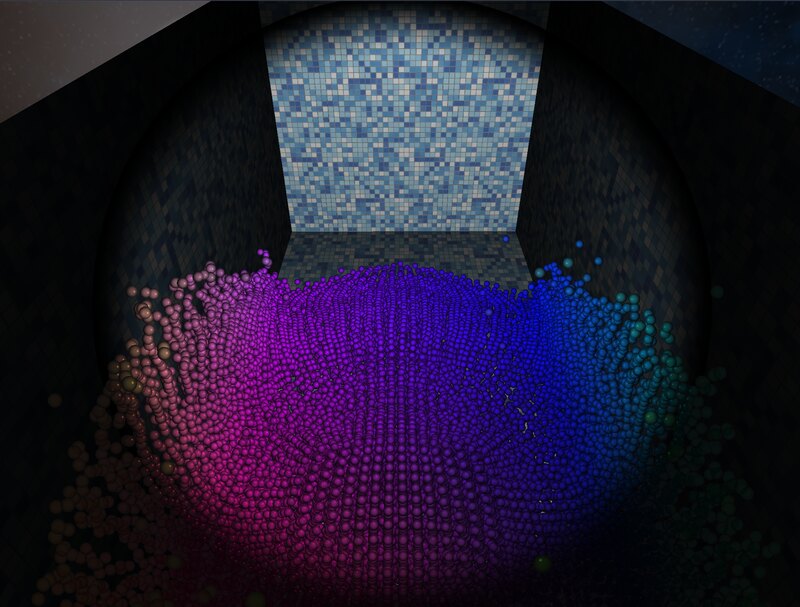
Solo hybrid Vulkan renderer: deferred G-buffer and KHR path tracing share one scene, materials, bindless textures, and TLAS. Architecture spans render, physics (GJK/EPA + BVH), and a gpu / Vulkan layer — no engine SDK host.
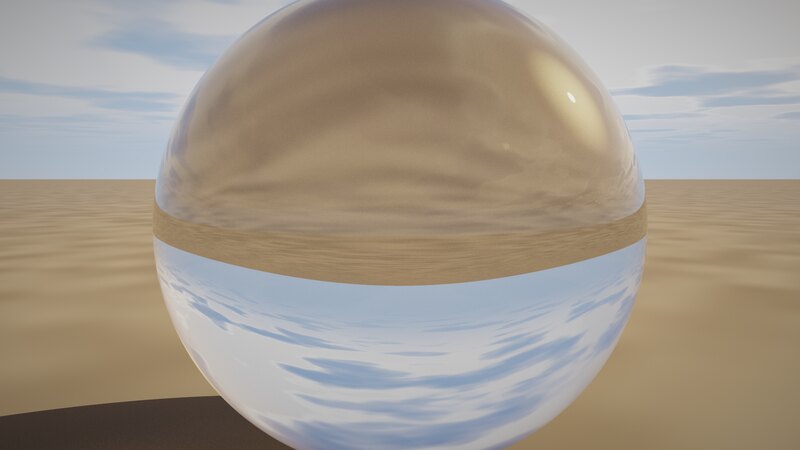
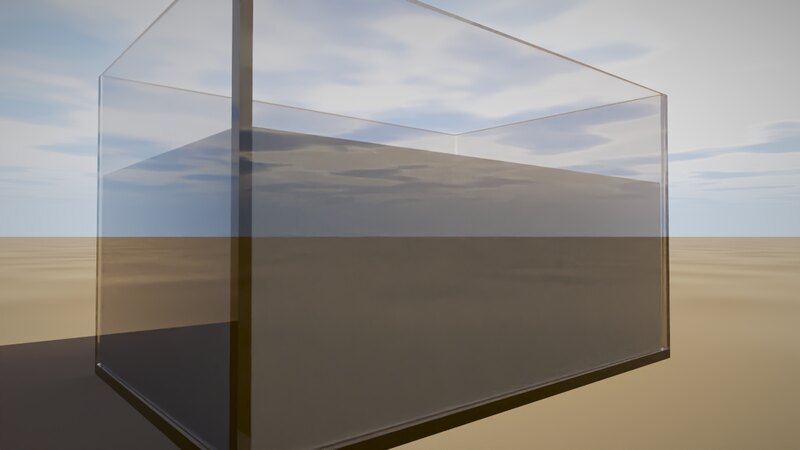
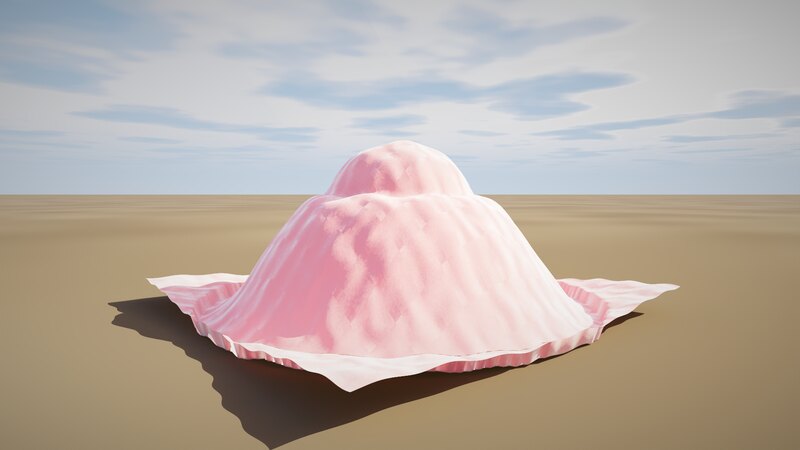
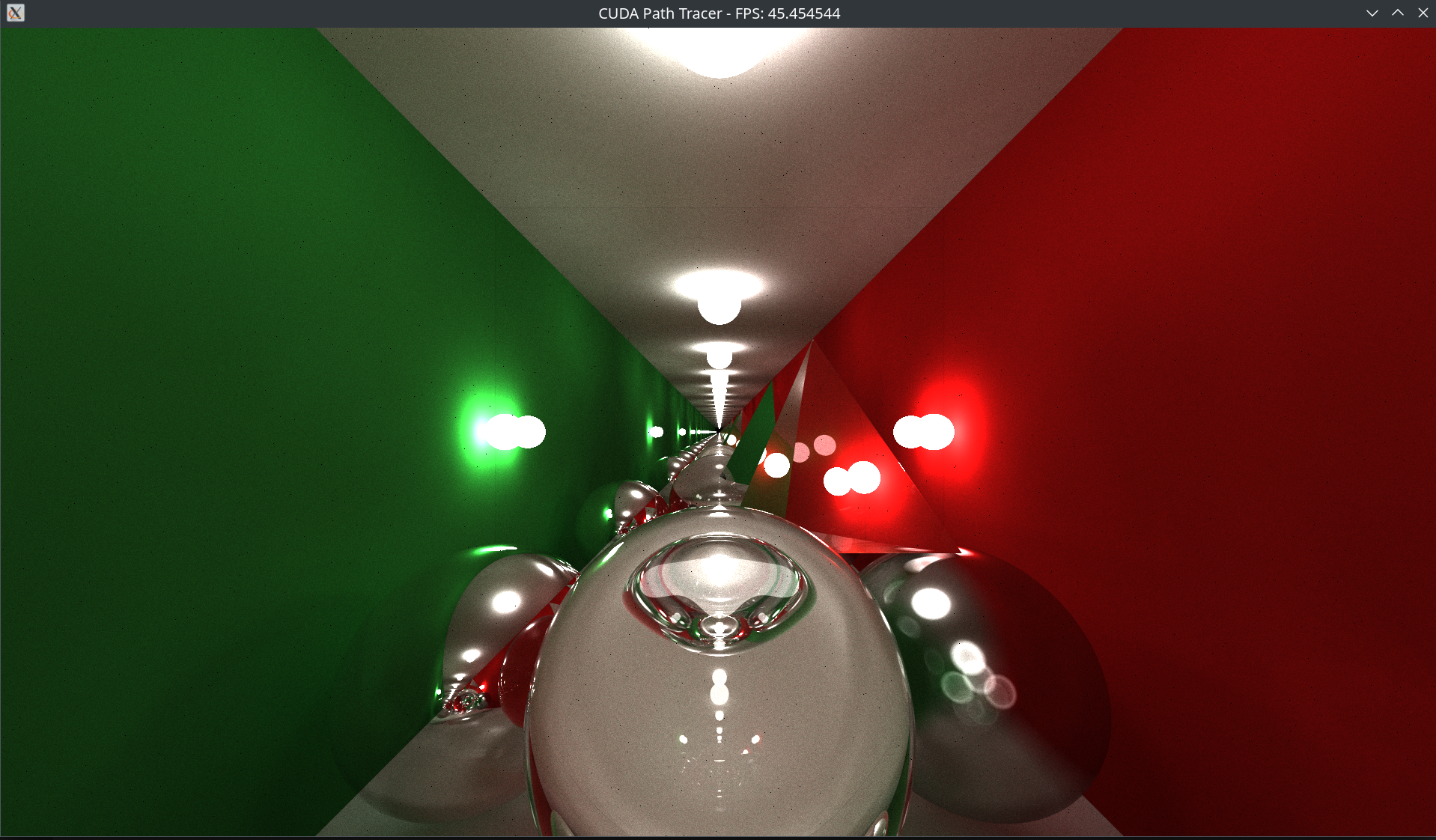
Real-time path tracing: interactive 1-spp chain with NVIDIA DLSS 4 Ray Reconstruction (raw NGX Vulkan on Linux) and vendor-neutral SVGF; ReSTIR GI on outdoor HDRI; OIDN offline + NRD compose. Golden regression: Cornell box + MetalRoughSpheres.
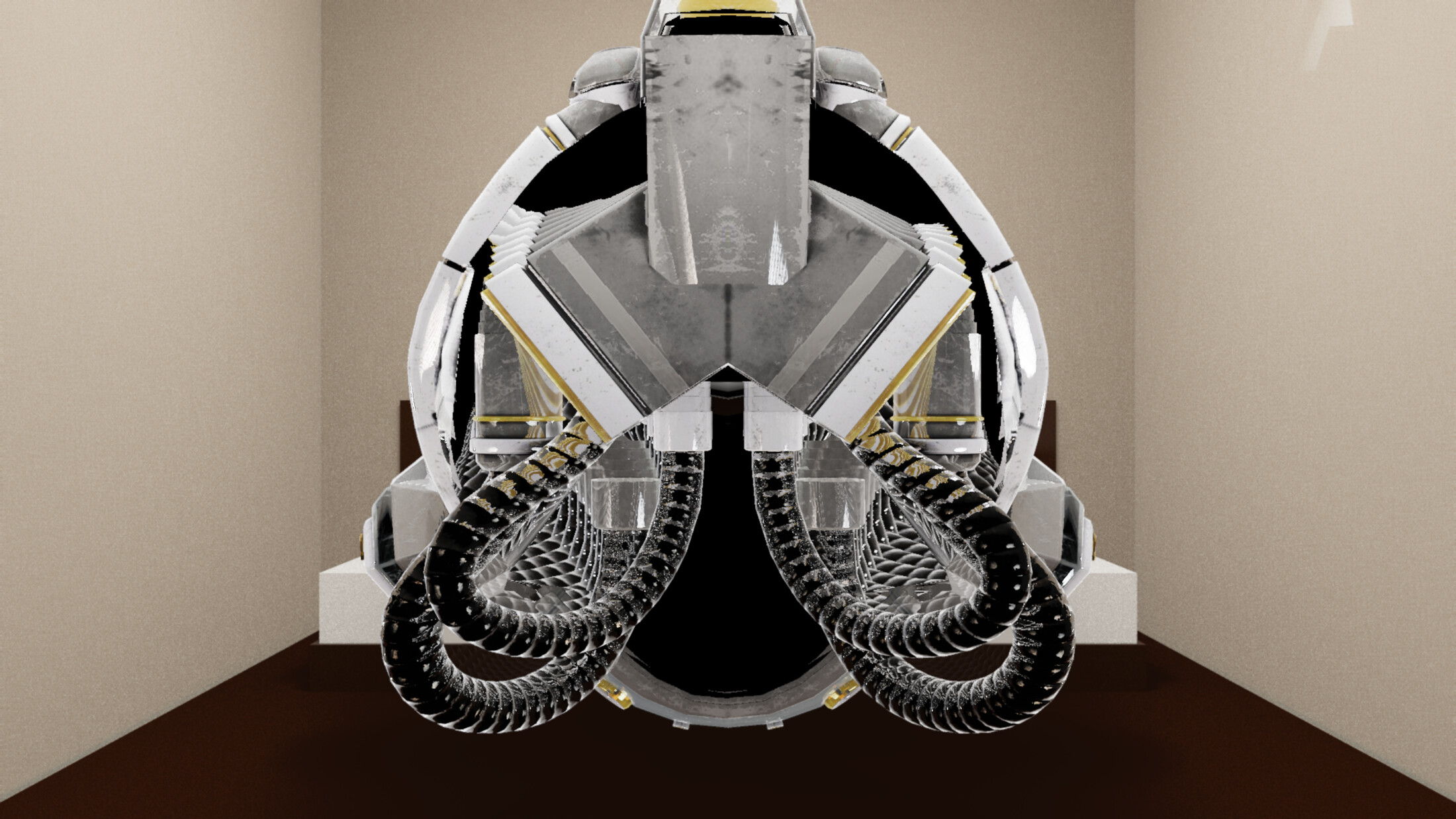 Helmet · deferred PBR
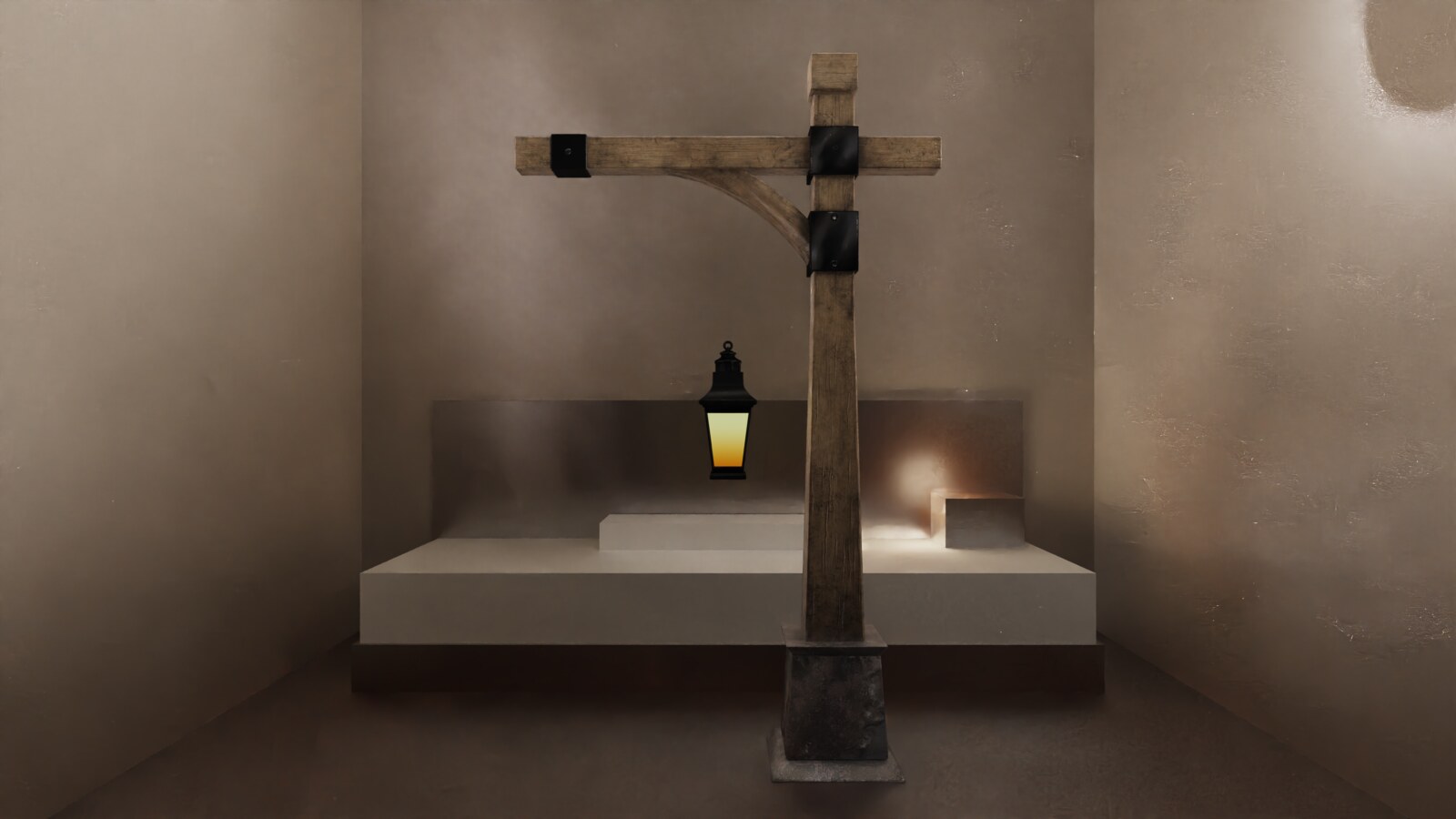 Lantern · emissive
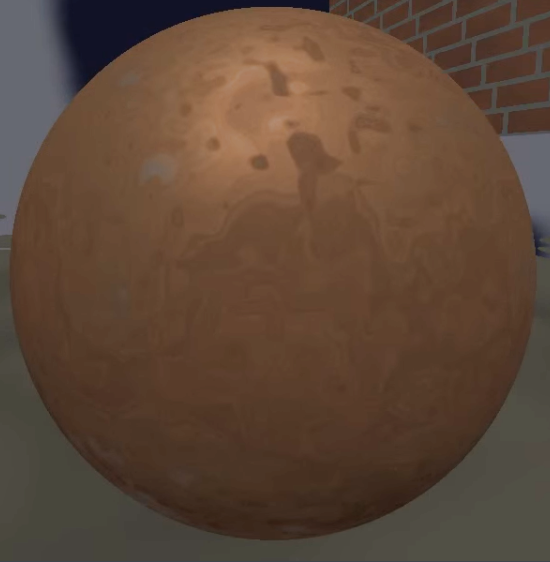
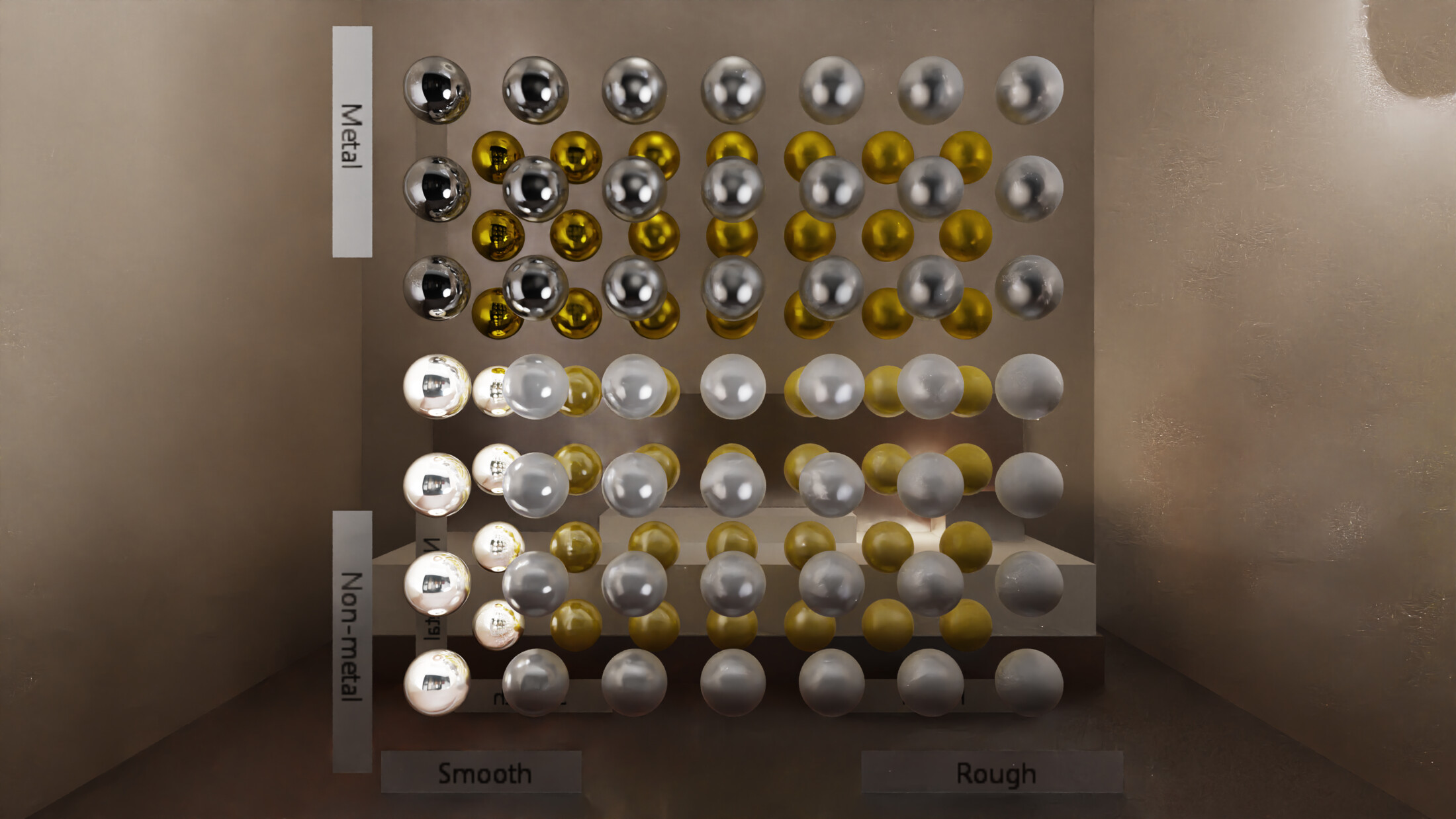 Spheres · BRDF
Path-tracing · Intel OIDN on glossy scene
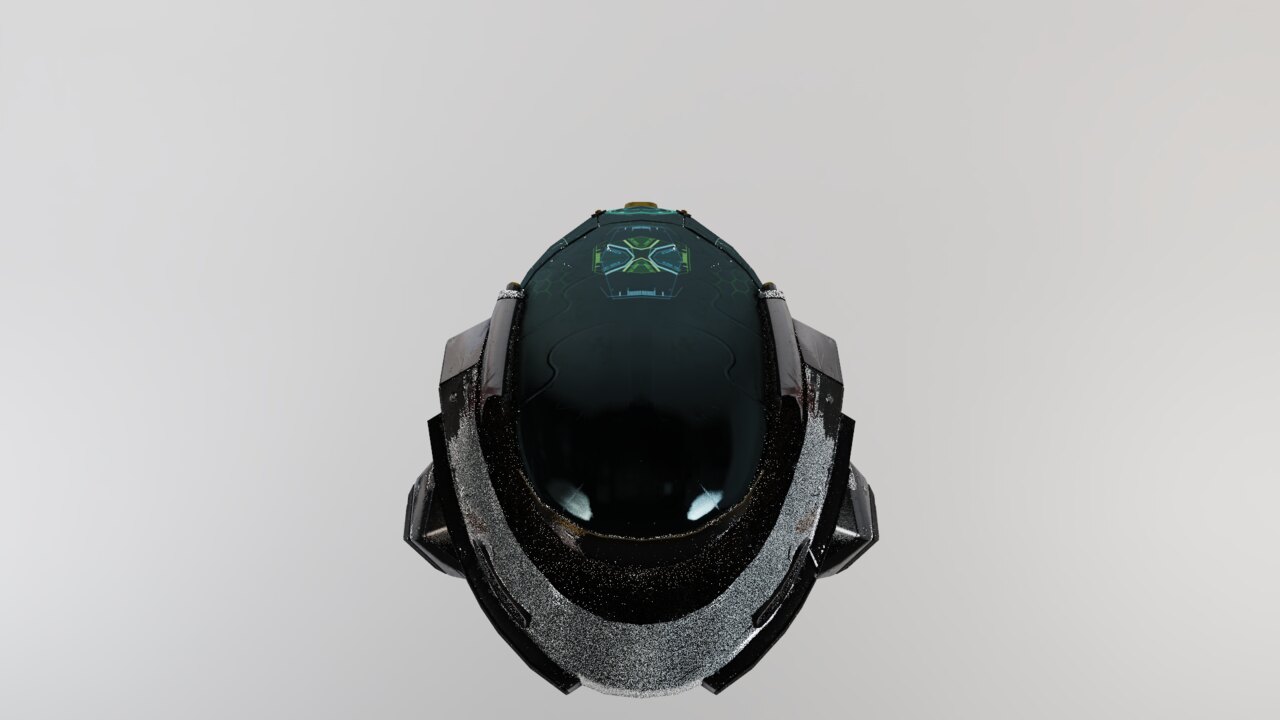 16 spp · raw
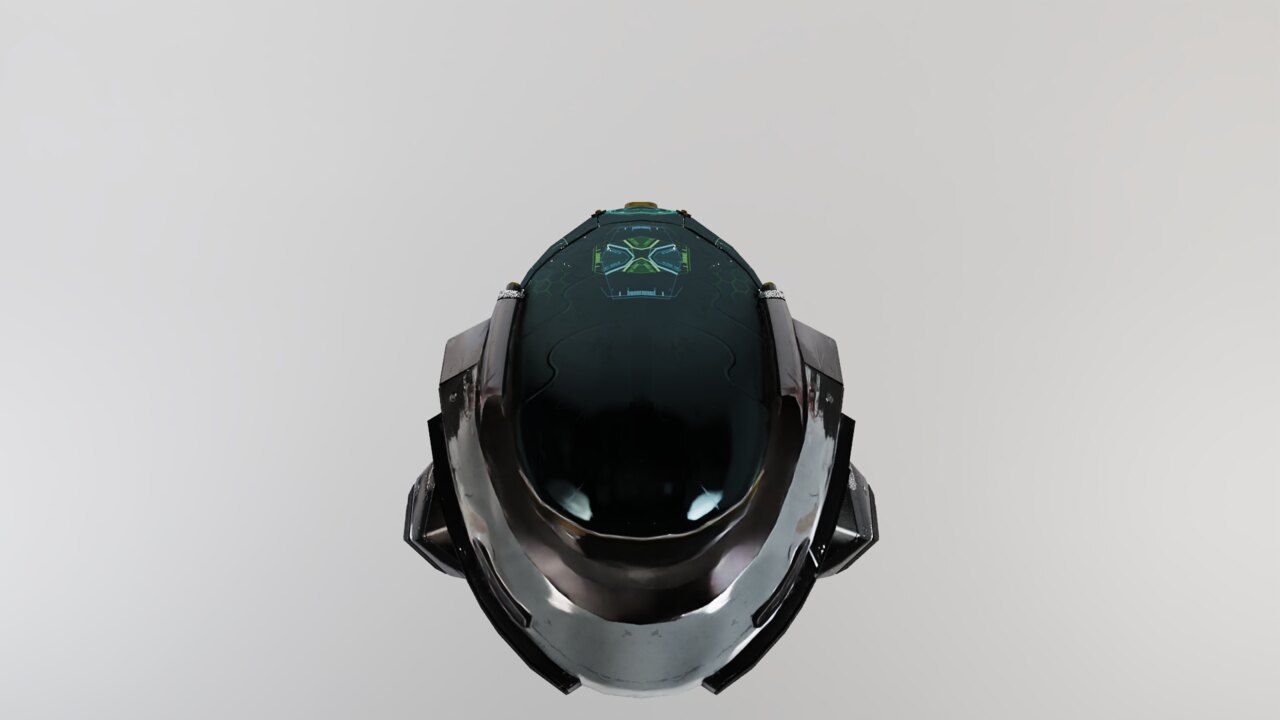 16 spp · OIDN
ReSTIR GI · outdoor HDRI
 ReSTIR GI · off
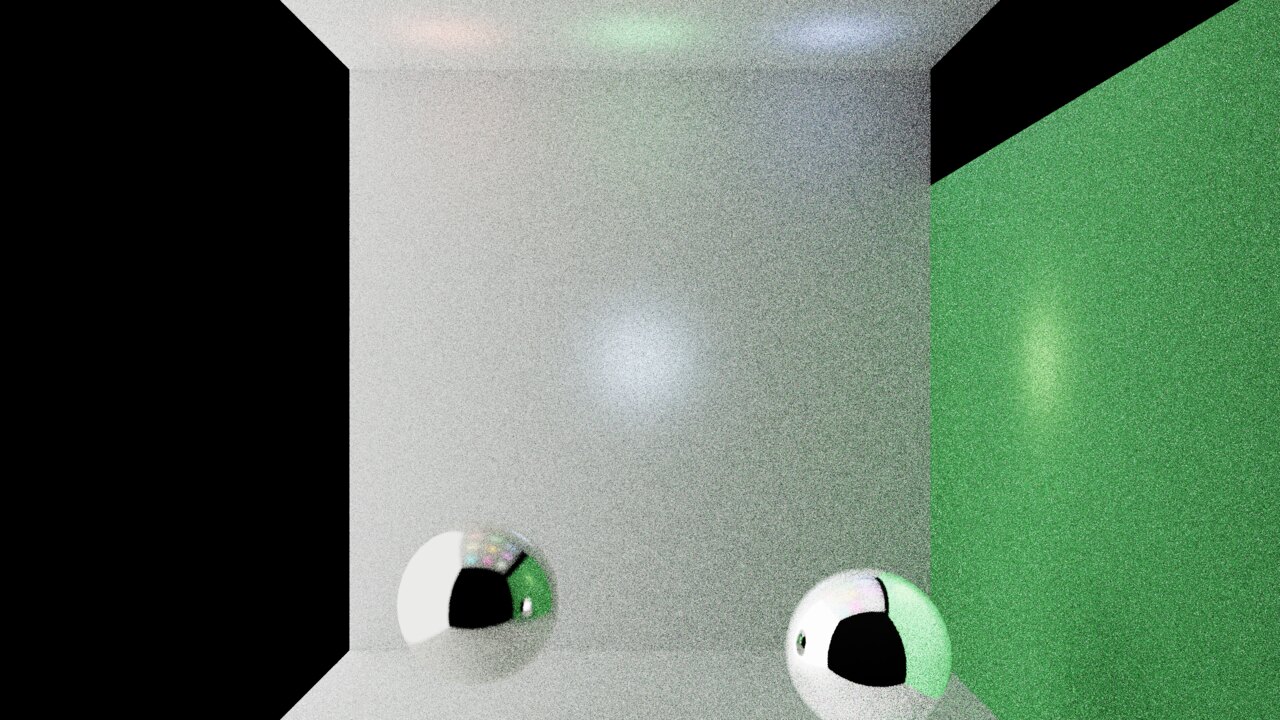 ReSTIR GI · on
Hybrid Vulkan engine — deferred + KHR path tracing on one scene graph. Start at the repo or the demo booth below.